Vol. 6 [UT Stories] Day 2: Plenary Sessions of the Inaugural Texas Global Alumni Summit in Seoul

![Vol. 6 [UT Stories] Day 2: Plenary Sessions of the Inaugural Texas Global Alumni Summit in Seoul](https://storage.ghost.io/c/a7/08/a708b603-4a62-49ea-8e9c-9e0198ae20e6/content/images/size/w2000/2026/04/KakaoTalk_20260425_180253820_08-1.jpg)
- On April 17, plenary sessions—the second day of the inaugural Texas Global Alumni Summit—were held at The Westin Josun Seoul.
- An early morning breakfast offered additional opportunities for networking.
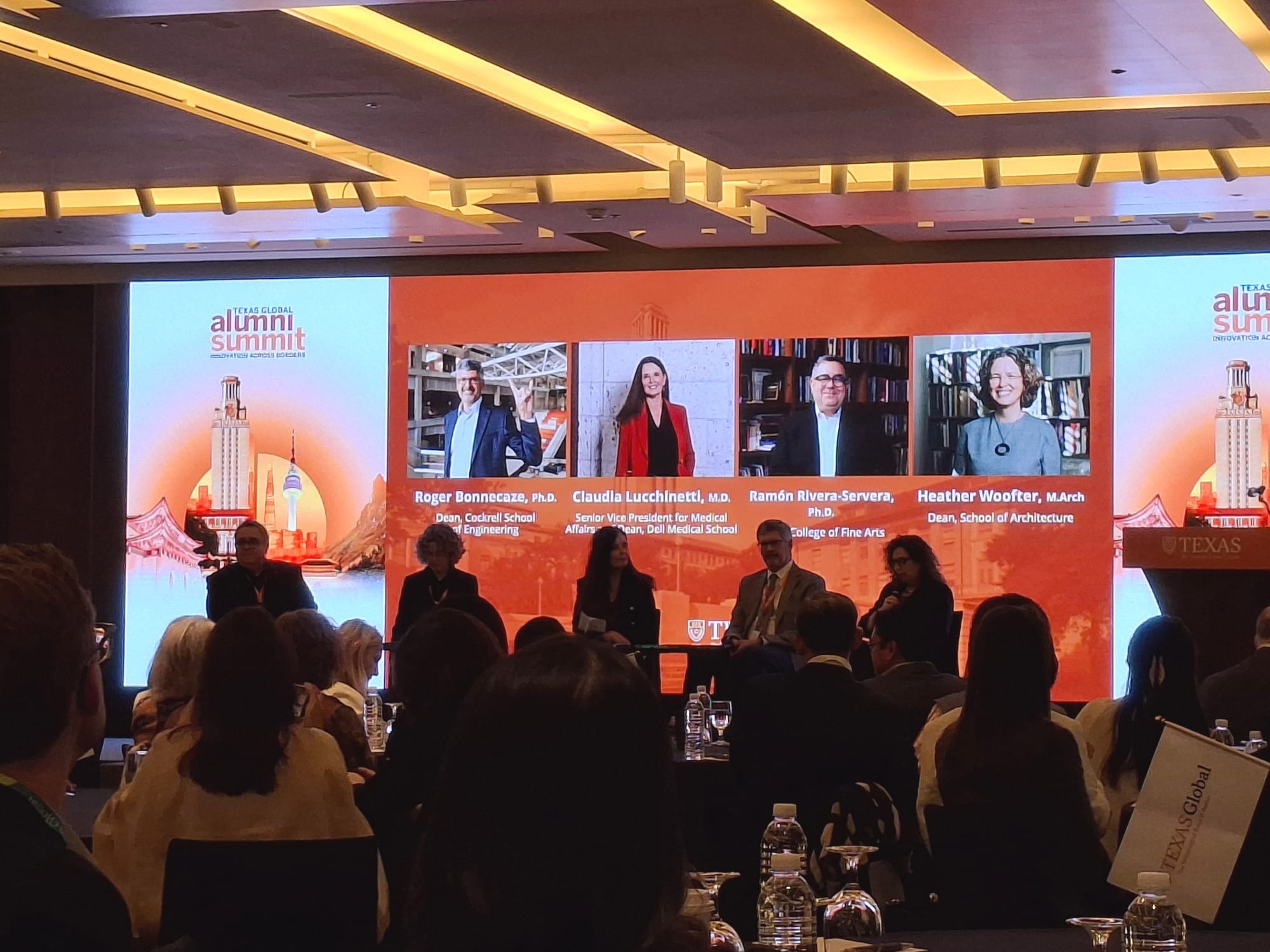
- The first plenary session, “Dean’s Roundtable: Innovation Across Borders,” brought together Dr. Sonia Feigenbaum and the deans of UT’s Colleges of Engineering, Medicine, Fine Arts, and Architecture for a conversation on the university’s present and future.
- Looking ahead to the next five years, a shared emphasis emerged across all colleges on interdisciplinary research and collaboration. The College of Engineering highlighted the establishment of materials science as a foundational field underpinning key technologies. The medical school pointed to the need to rethink models of disease and care in the AI era, along with introducing ethics and humanities education through collaboration with social work. The School of Architecture emphasized strengthening a design culture that values craft and artistic pursuit alongside structural thinking, cultivating students’ communication skills through collaboration with the humanities using technology, and integrating principles of materials science and ecology into architecture. The College of Fine Arts underscored expanding the role of the arts beyond domains of joy and comfort to influence all areas across the university.
- In discussing Korea’s potential across these fields, speakers noted that in the arts, Korea demonstrates a distinctive balance between preserving cultural heritage and pursuing innovation. In architecture, Korea was cited for engaging not only at the stage of urban “development,” but also at the earlier stage of “planning,” considering factors such as climate, housing equity, and water systems. In medicine, Korea’s commitment to excellence and pursuit of high standards stood out. In engineering, Korea was described as a strong intellectual partner capable of translating ideas into real-world implementation. Korea’s leadership in areas such as microelectronics, quantum systems, and quantum computing was also highlighted, along with a UT mechanical engineering alumnus from Korea leading a large-scale project to deploy unloading robots for Coupang.
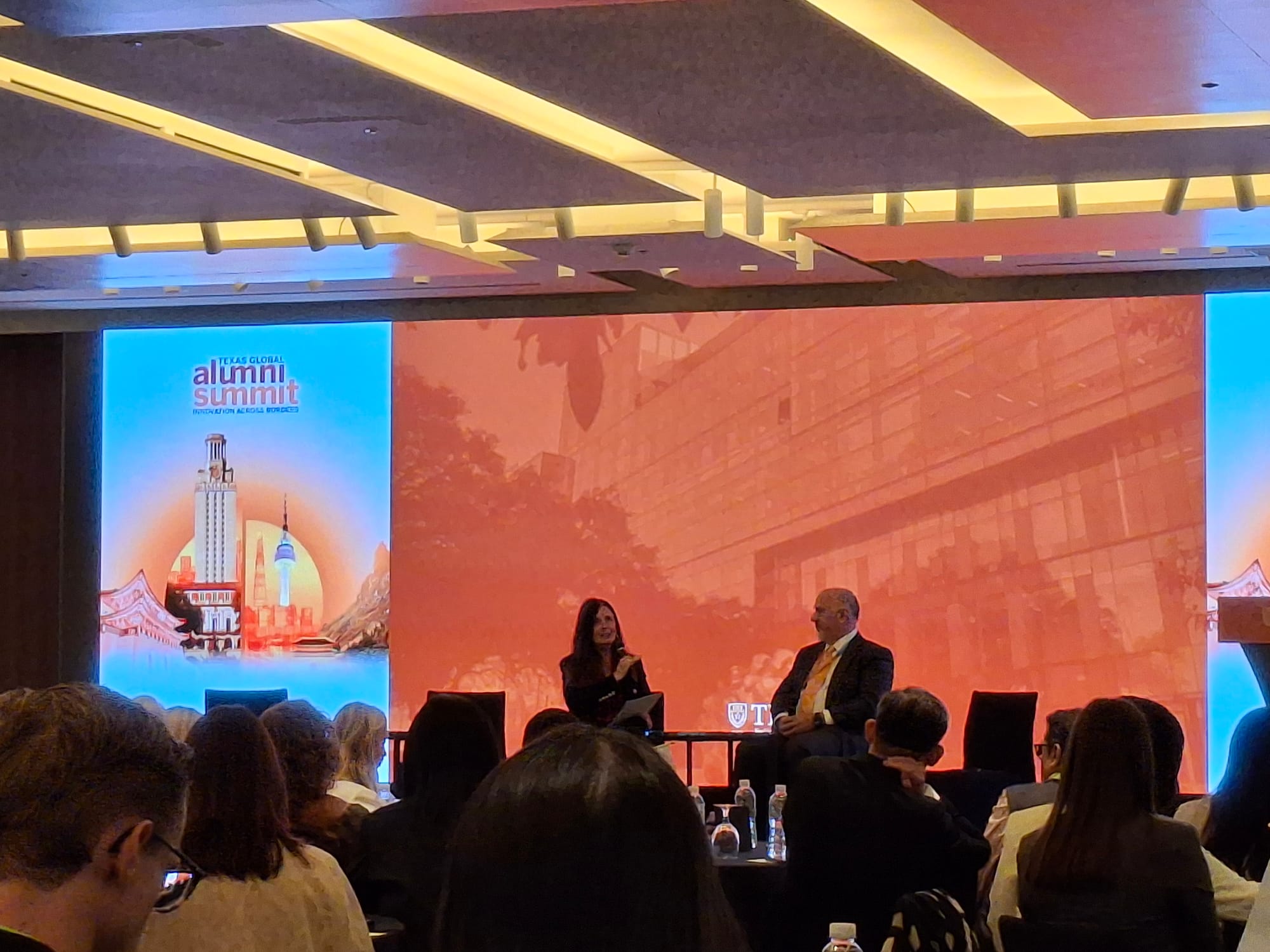
- The second session, “AI, Digital Twins, and the Future of Health,” featured a conversation between Dr. Claudia Lucchinetti, Dean of the medical school, and Dr. Charles “Charley” Taylor.
- Dr. Lucchinetti opened by noting that while digital twins can be defined in various ways, the session approached the concept as “a dynamic model of an individual patient.” Rather than identifying treatments that generally apply across patients, the focus is on understanding what is needed for a specific patient in front of us.
- Dr. Taylor, a pioneer in computational medicine with a background in mathematics and engineering, explained that the role of digital twins lies in synthesizing and interpreting multiple streams of data. For example, a patient presenting with chest pain may undergo stress tests, ECGs, and other evaluations, each producing separate results—yet the question remains how to integrate and apply those findings. While each test measures aspects of the same patient’s heart function, they are often analyzed in isolation. Digital twins enable these data to be brought together and meaningfully interpreted.
- As the founder of a Nasdaq-listed company, Professor Taylor also described the stages and timelines involved in bringing an idea to practical application. He noted that working across countries involves navigating differences in healthcare systems, medical practice, regulatory environments, and even genetic and cultural contexts—offering significant opportunities for learning.
- On the future of computational medicine, he emphasized that while UT has made substantial progress in digital twins, becoming a leader in the field will require strong, collaborative faculty and research teams, student training through programs such as those at the Oden Institute, and continued efforts to translate academic research into real-world practice. The recently established medical digital twin venture studio is part of this effort to bridge science and industry.
- Opportunities for collaboration between UT and Korea in the digital twin space were also discussed positively, with international cooperation highlighted as essential for advancing the field.
- The final morning session, “The Global Energy Landscape,” featured a presentation by Dr. Brian A. Korgel, Director of the UT Energy Institute and Professor of Chemical Engineering.
- He noted that today’s global energy landscape is marked by a clear divide between fossil fuel and renewable energy camps, each pursuing distinct priorities. Comparing hydrogen vehicle adoption in Korea, Texas, and California, he pointed to differences in hydrogen supply and policy incentives as key factors.
- He also introduced the work of the UT Energy Institute, including its efforts to foster international collaboration by convening energy leaders from around the world, as well as its programs in research, education, opportunity creation, entrepreneurship, and energy literacy. Insights from UT’s Energy Week were also shared.
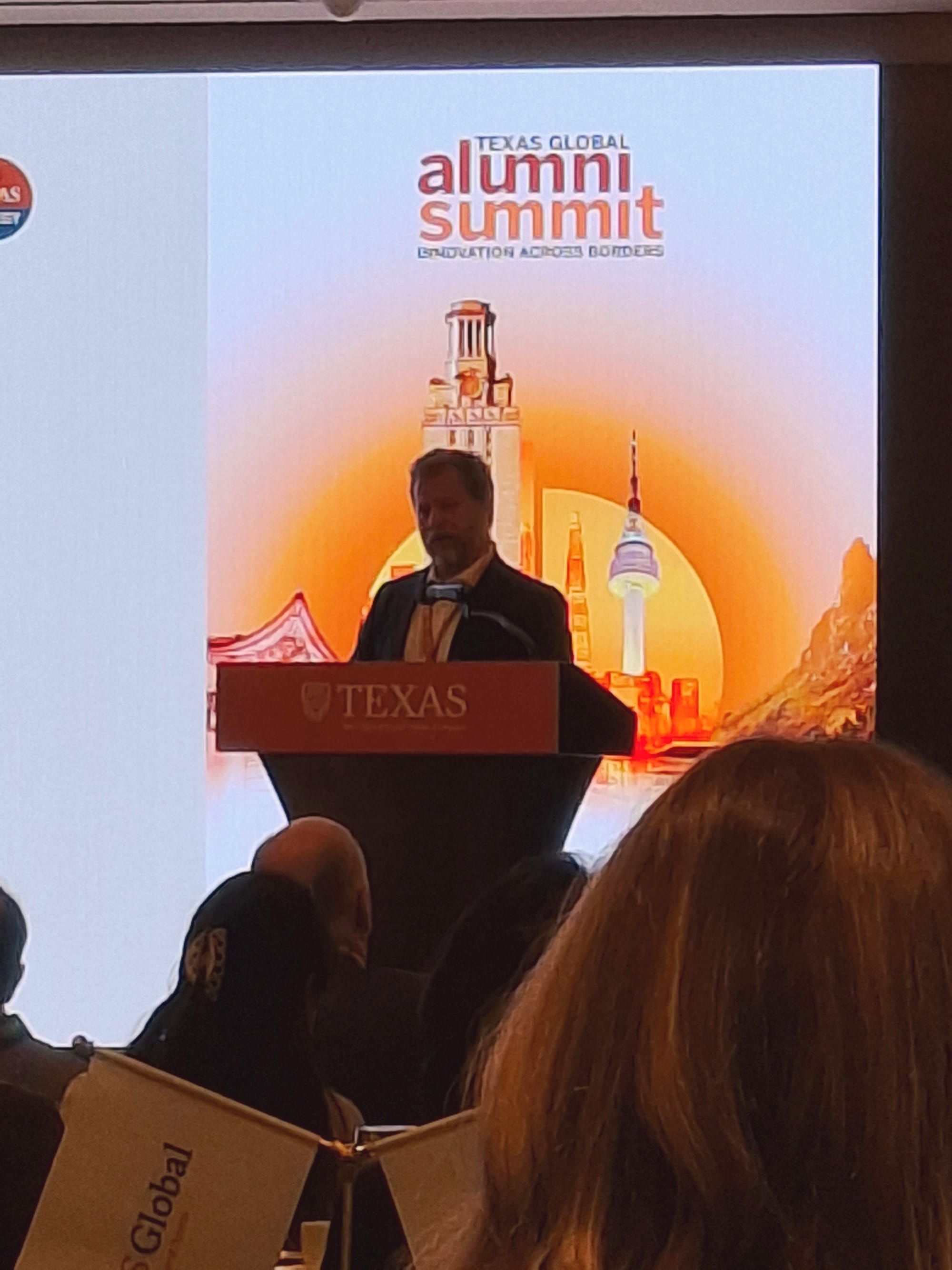
- Lunch featured an extensive buffet, from salads and soups to a wide range of Korean, Chinese, Japanese, and Western dishes, followed by desserts including brownies, macarons, cakes, and fresh fruit.
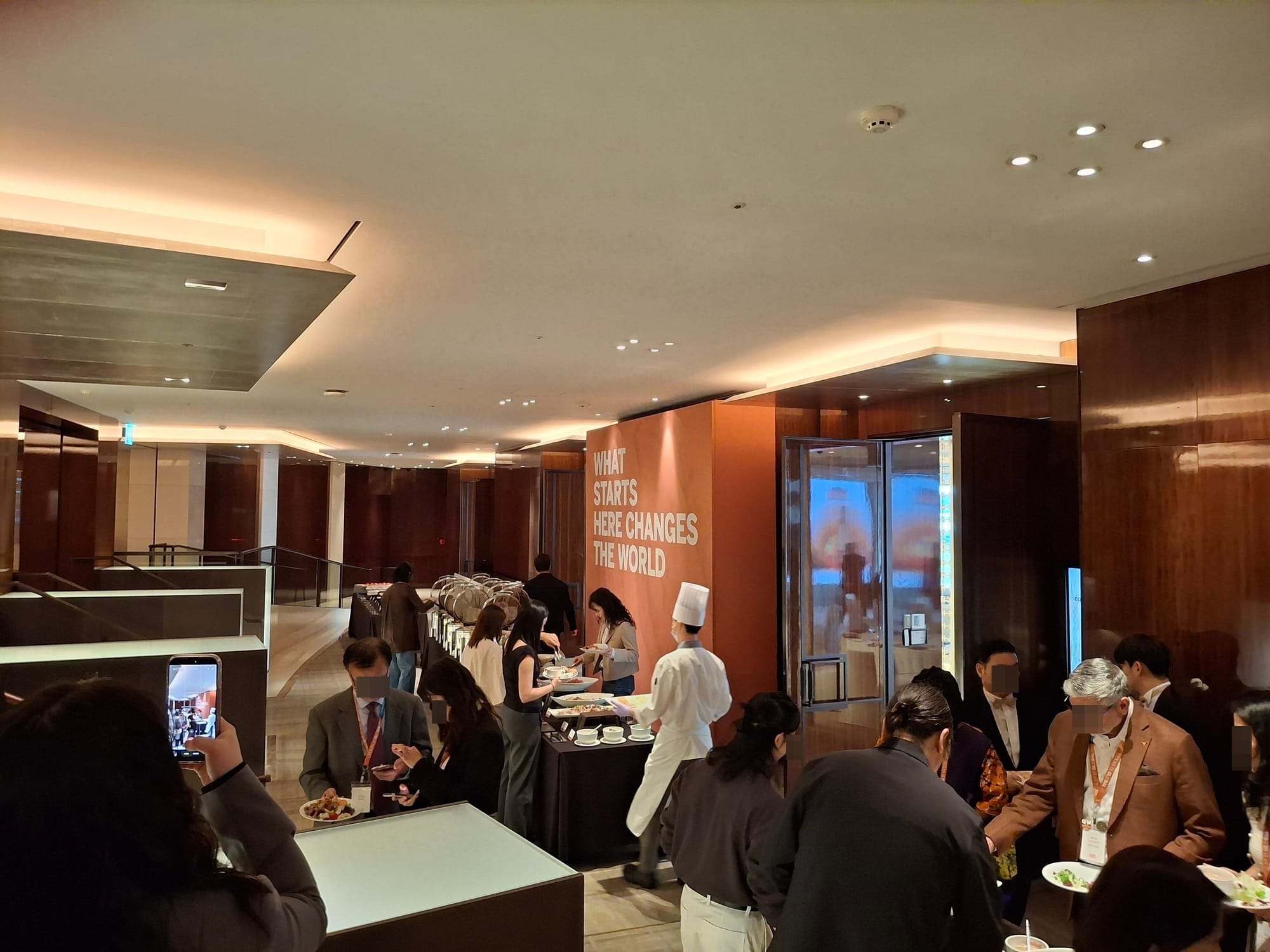
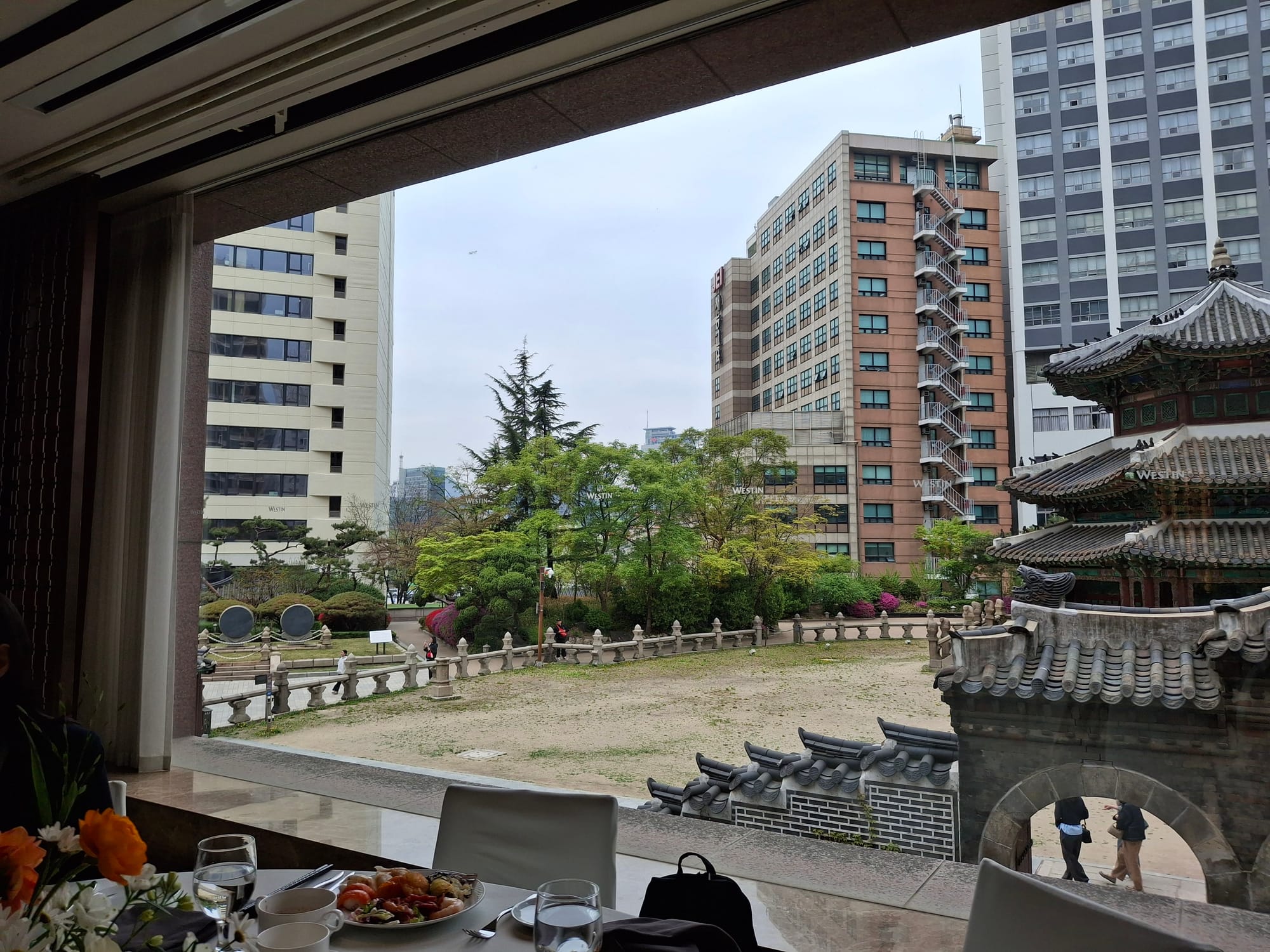
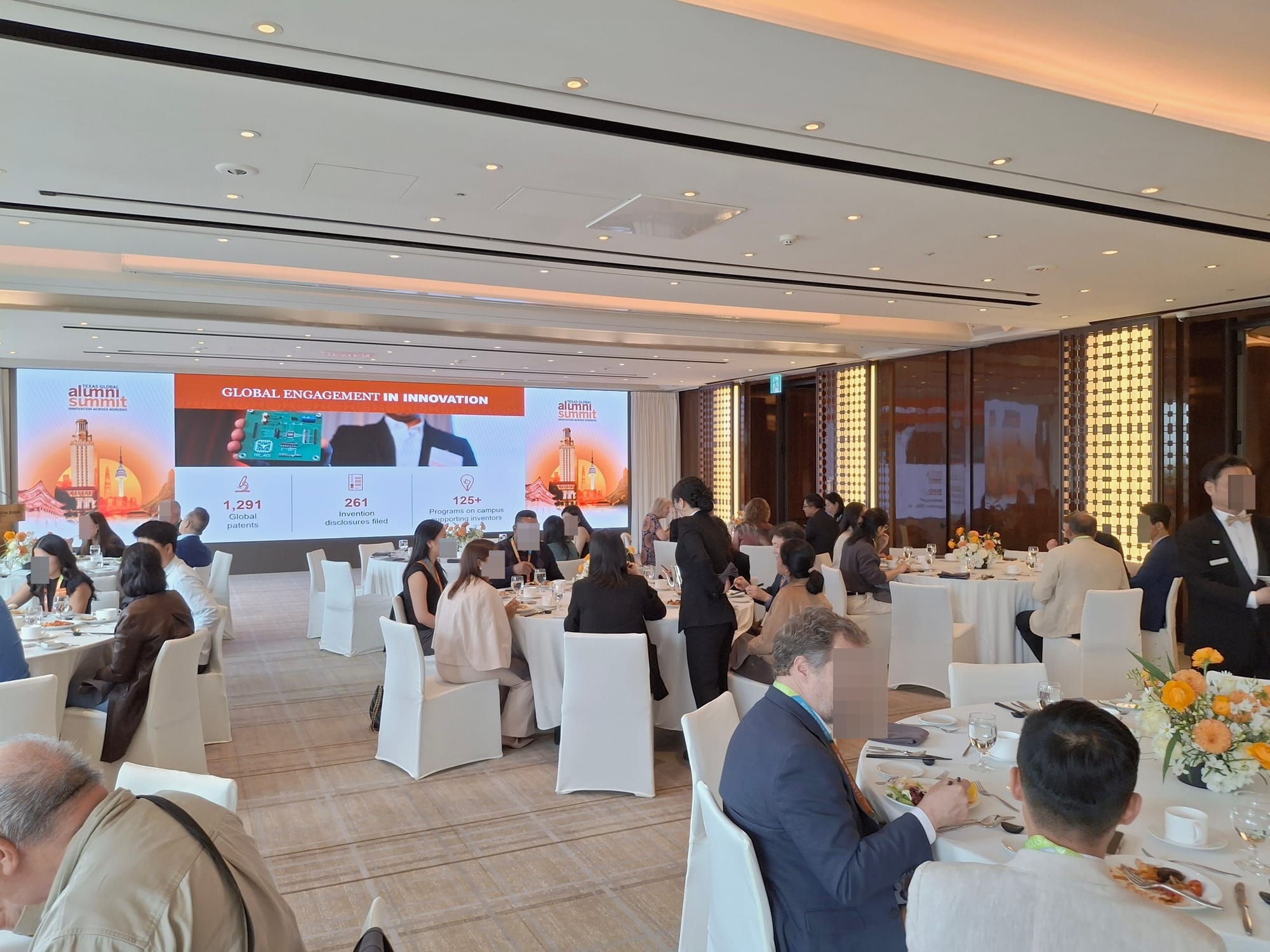
- The dining space reflected thoughtful aesthetic attention. Tables were adorned in UT’s signature burnt orange and white floral arrangements. Through the large windows, guests enjoyed views of Seoul where traditional Korean architecture and modern design coexist under gentle sunlight.
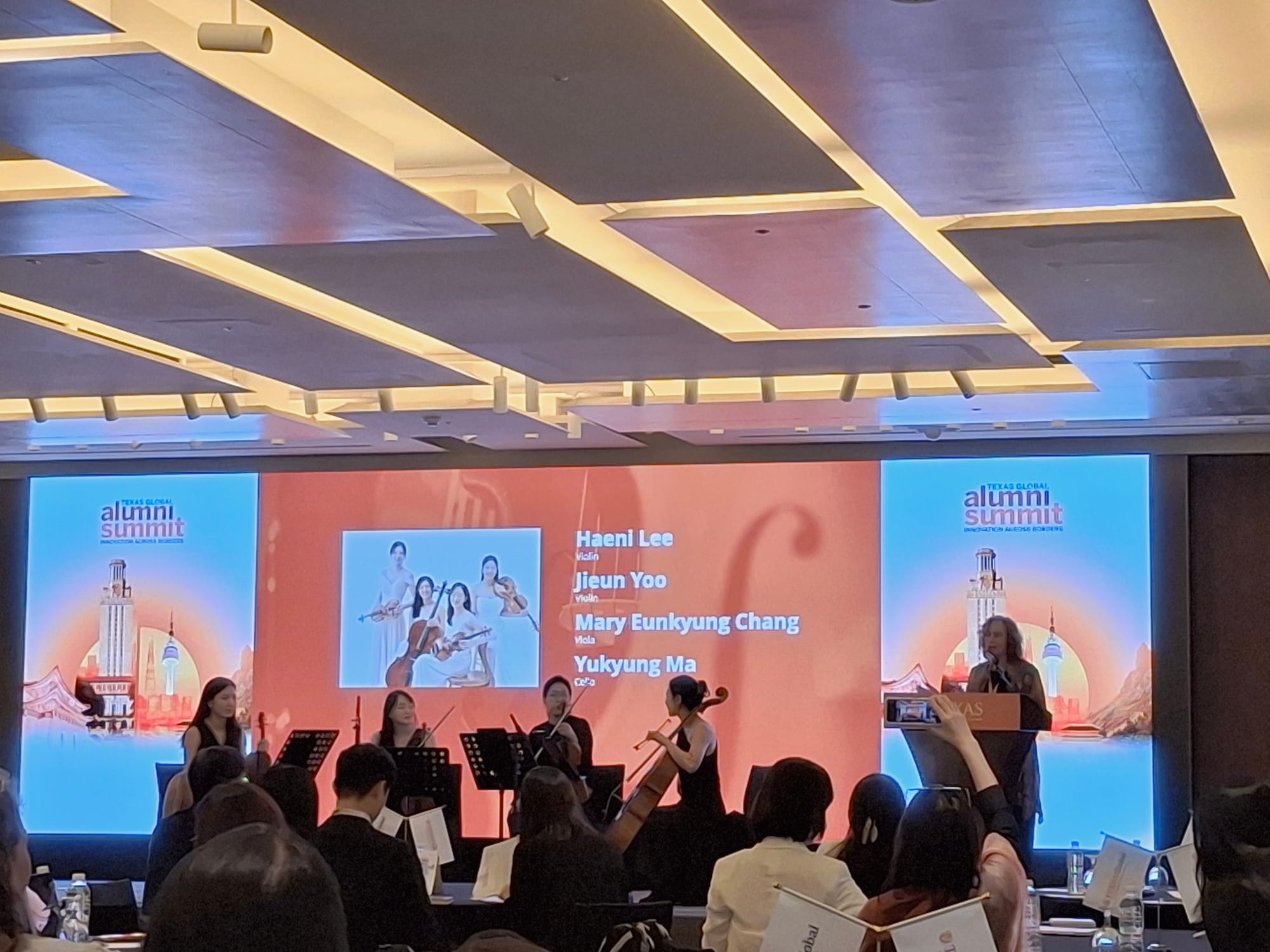
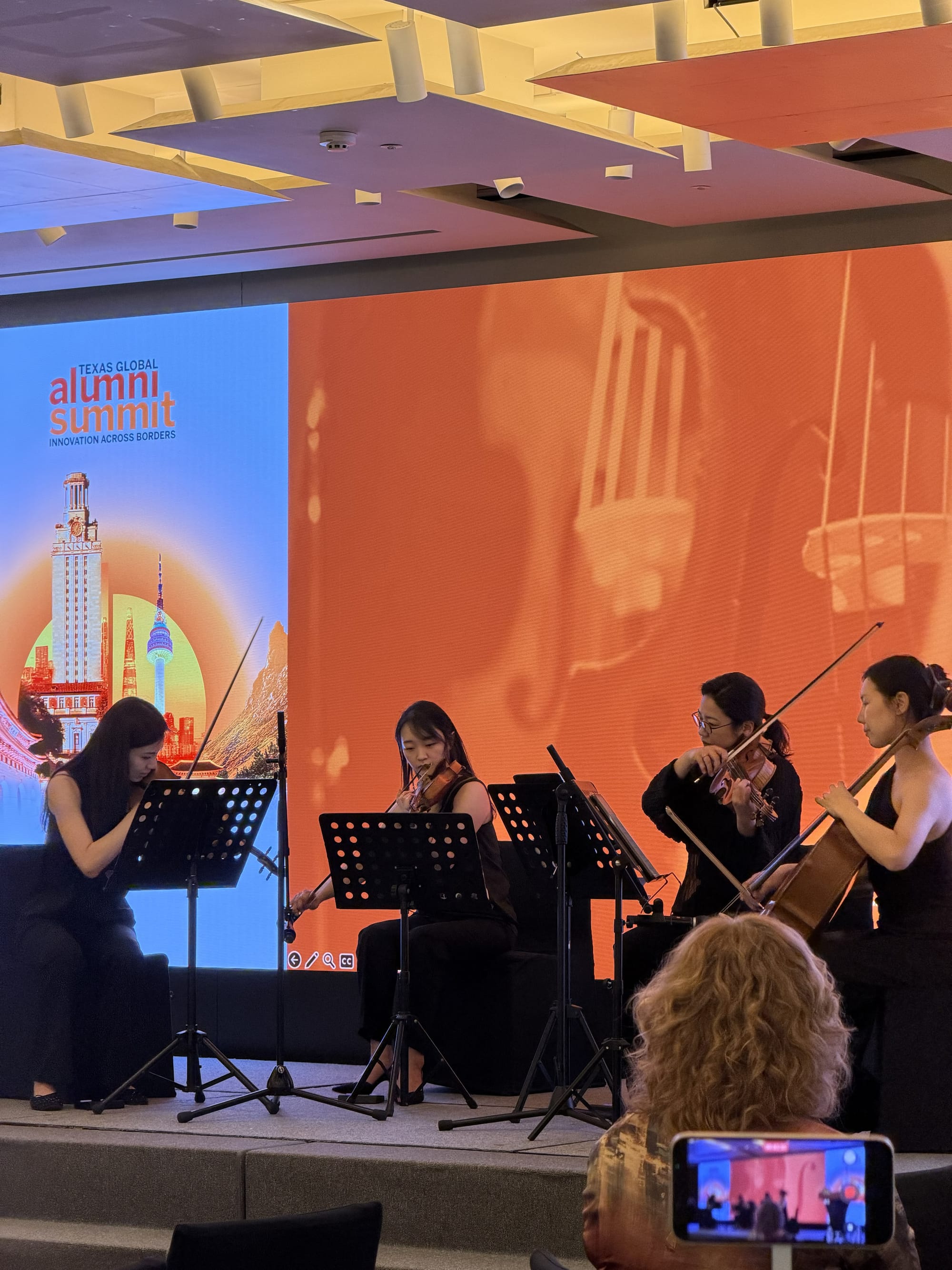
- Following lunch, attendees were treated to a special performance by Risus Quartet, a group trained at UT’s Butler School of Music. Their program ranged from classical compositions to well-known pop songs.
- The quartet participated in UT’s “Young Professional String Quartet” program, which provides two years of intensive training to pre-formed ensembles. In addition to musical development, the program includes training in entrepreneurship, marketing, and fundraising.
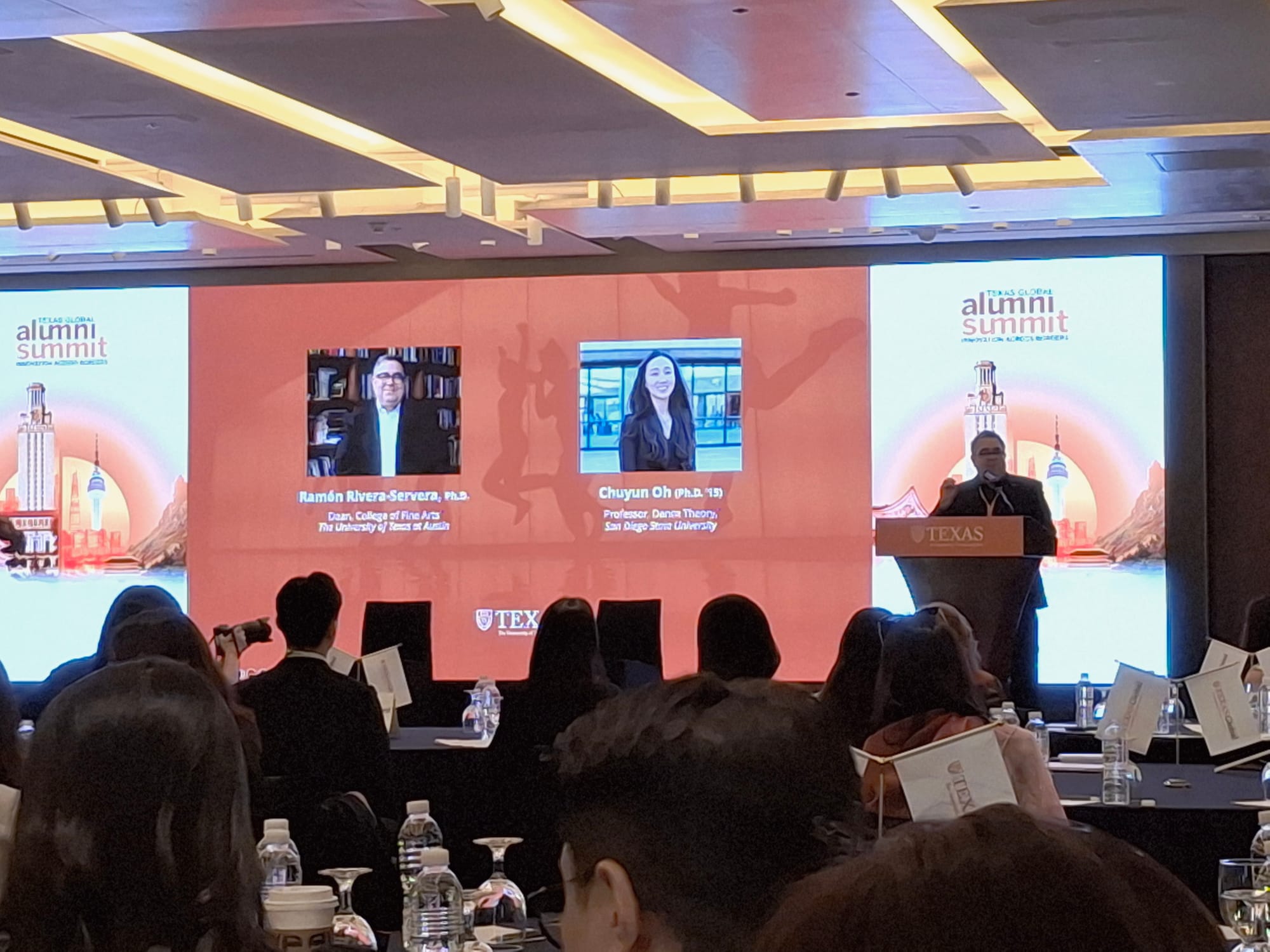
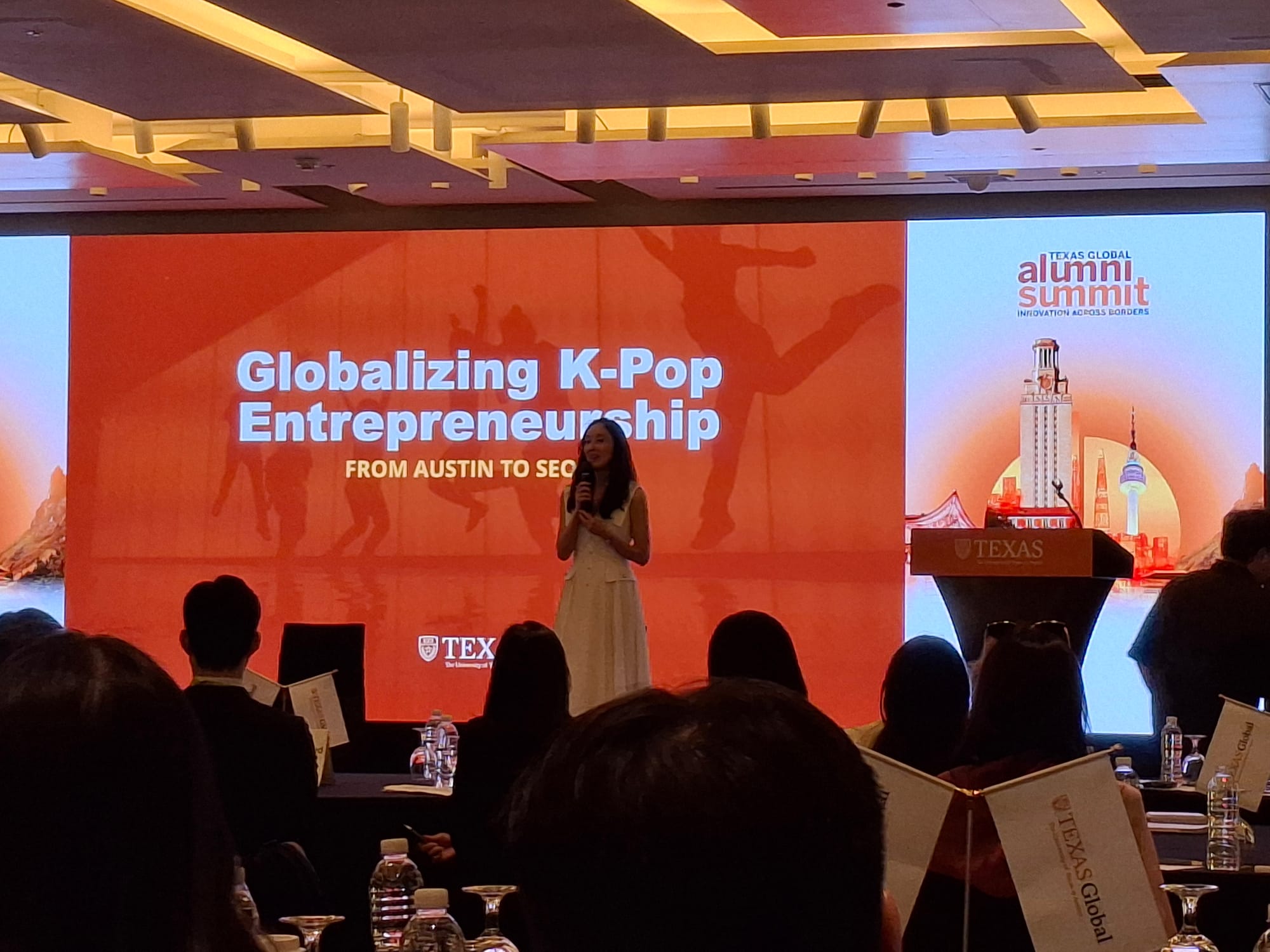
- Next, introduced by Professor Rivera-Servera of the College of Fine Arts, Dr. Chuyun Oh (PPP ’15) delivered a talk titled “Globalizing K-pop Entrepreneurship: From Austin to Seoul.”
- Dr. Oh pioneered the introduction of K-pop courses in the United States and has received numerous academic awards for her scholarship. Having begun ballet at age seven and performed professionally for over two decades, she came to view performance as extending beyond the stage into everyday life, leading her to study it as an academic field. She reflected that UT’s PPP program enabled her to develop K-pop dance as an area of scholarly inquiry. At the time, there was little existing research, and she initially hesitated to pursue it as a dissertation topic until encouraged by her advisor.
- She discussed her publications and curriculum development, including her first book K-pop Dance, whose subtitle, “fandoming yourself on social media,” illuminates how cover dancers seek not mere imitation but alternative identities modeled after admired artists. Her second book, K-pop Dance Education, provides guidelines for incorporating K-pop dance into educational curricula across K–12 and higher education. The three-credit dance curriculum she developed includes distinct instructional and certification components.
- K-pop was described as a true blue ocean, often combined with other topics—such as makeup or fitness content—to expand audience reach. While often perceived as new and contemporary, the industry is rooted in rigorous training from a young age and a deep respect for tradition and cultural heritage.
- AI is also being widely applied in K-pop, from achieving high levels of precision in synchronized choreography to enabling multilingual song production while preserving vocal identity. Chatbots are used for fan engagement, and AI-generated virtual idol groups are also gaining traction.
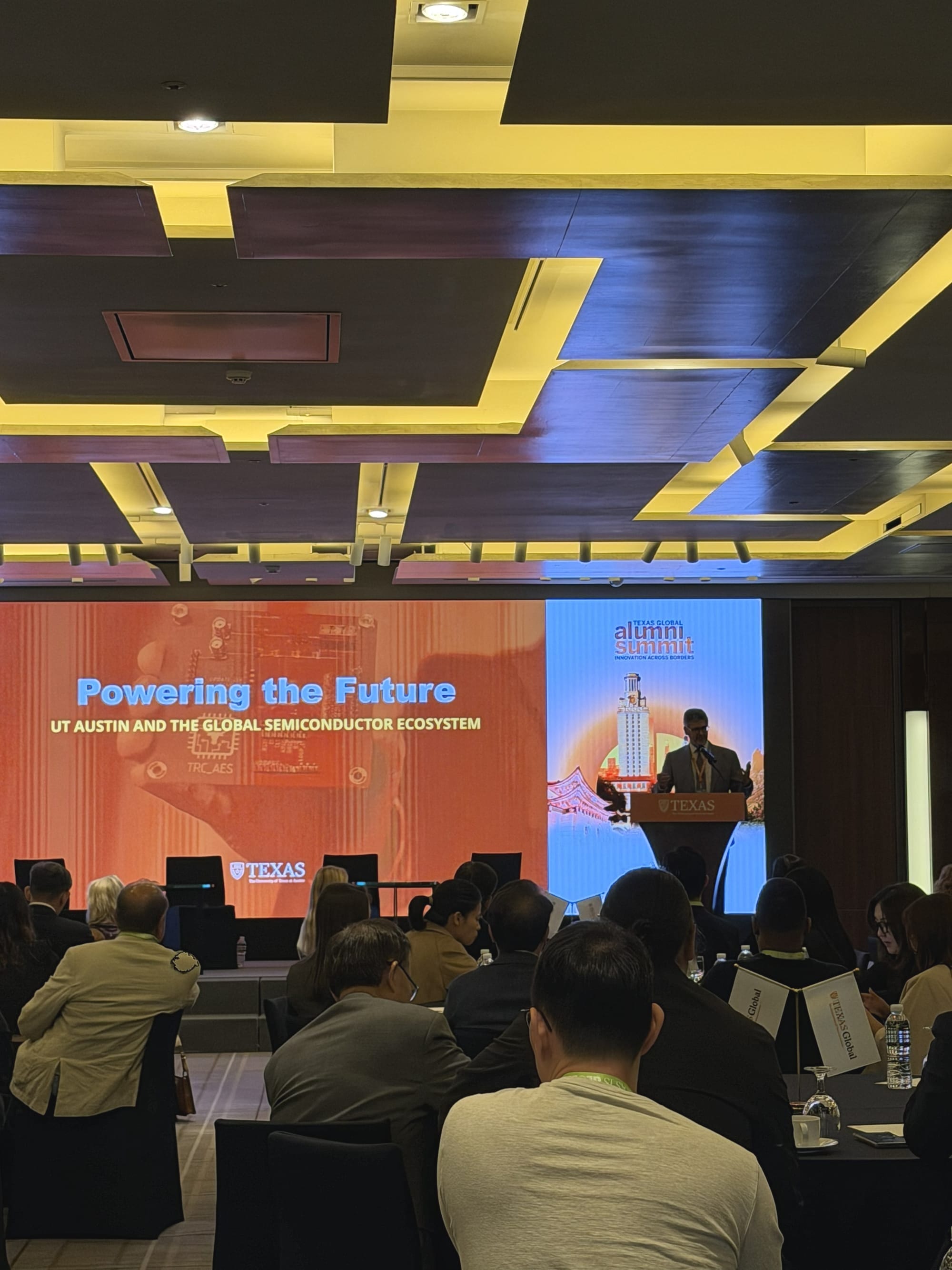
- The final plenary session, “Powering the Future: UT Austin and the Global Semiconductor Ecosystem,” was moderated by Dr. Bonnecaze of the College of Engineering and featured three experts from Korea’s semiconductor industry.
- The discussion traced the long-standing partnership between UT and industry leaders—from its early stages to today’s integrated pipeline of research, manufacturing, and talent development. It highlighted the complementary roles of academia, industry, and policy in enabling a semiconductor ecosystem competitive at an international level. The discussion revolved around talent, partnerships, and long-term investment strategies.
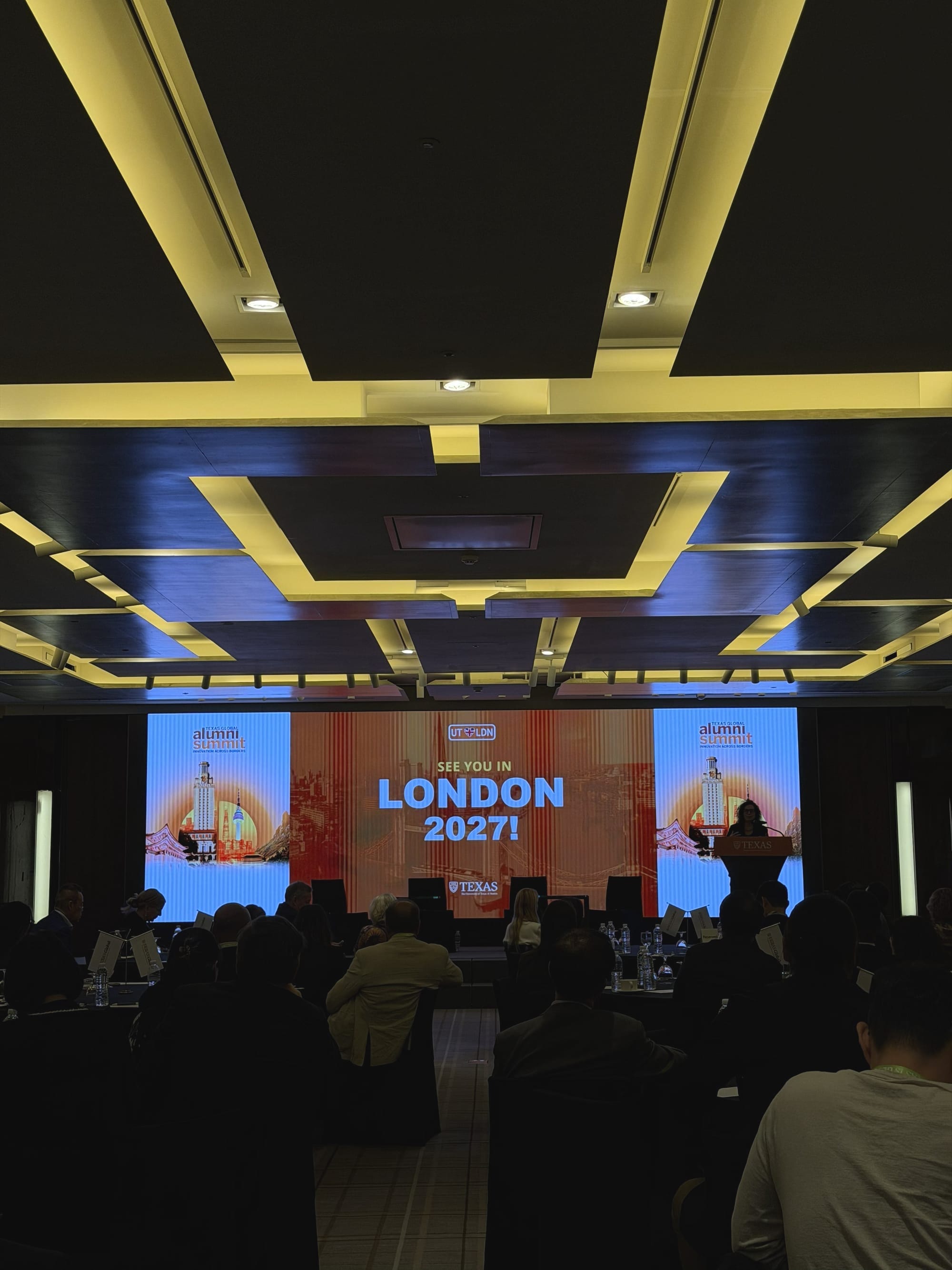
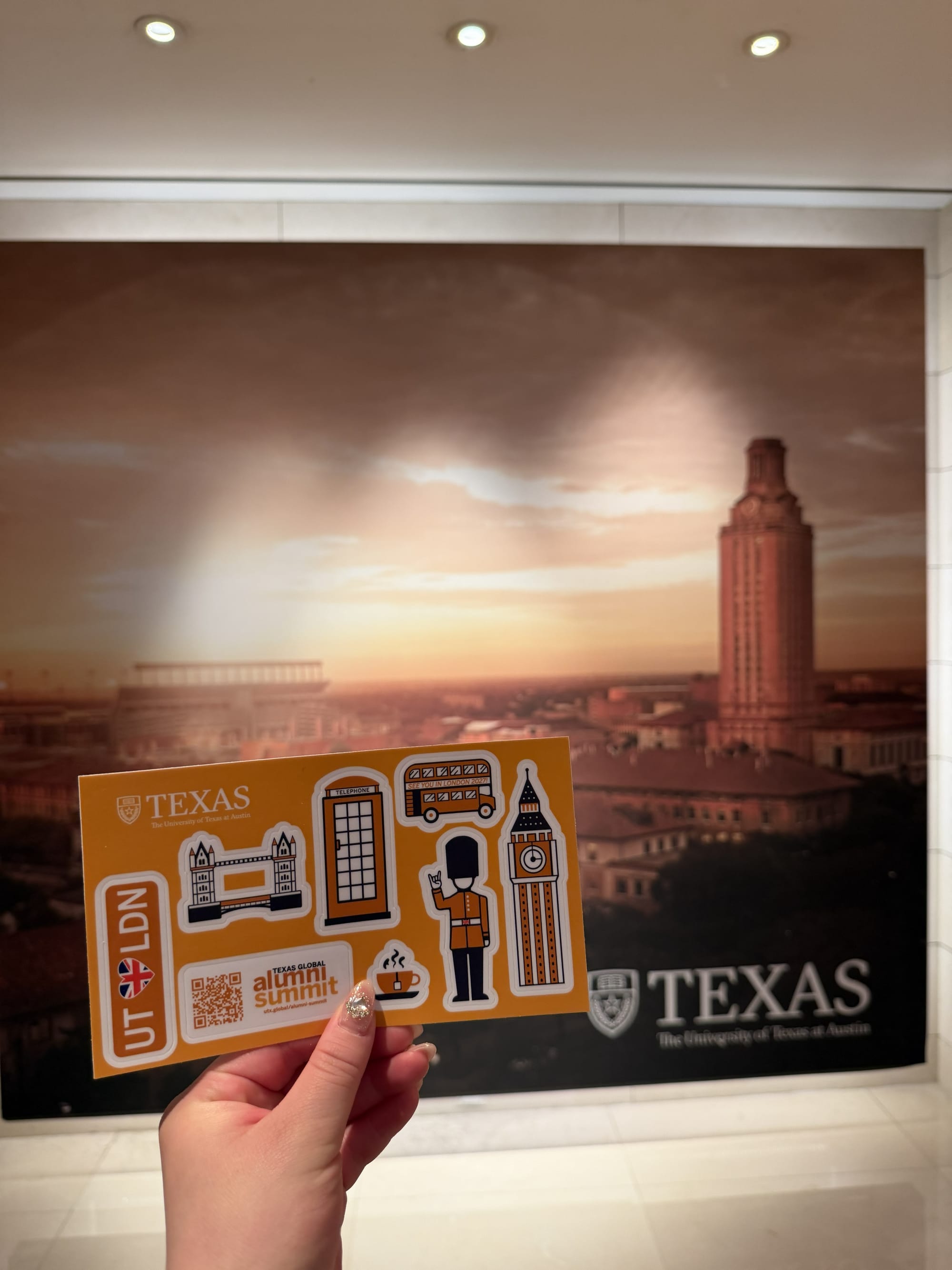
- Closing the program, Dr. Sonia Feigenbaum announced that the next Texas Global Alumni Summit will be held in London, United Kingdom. Commemorative stickers themed around UT and London were distributed, marking the close of the summit with an eye toward reconvening in 2027.